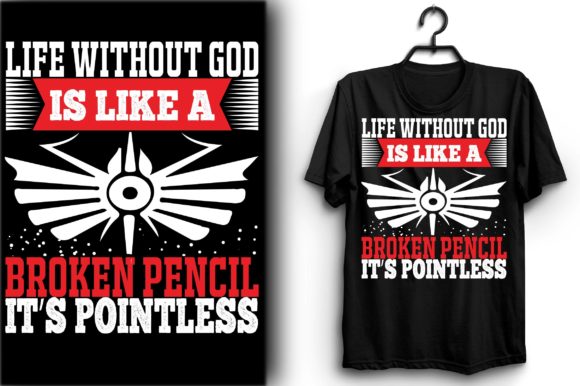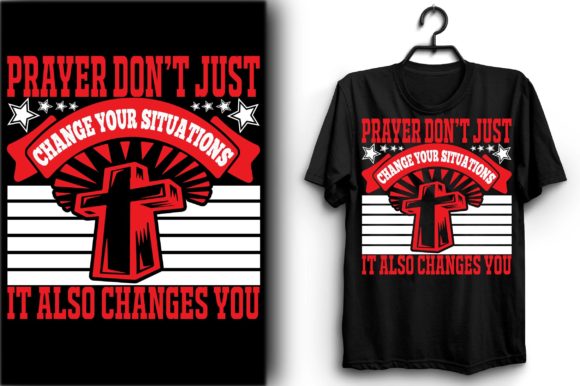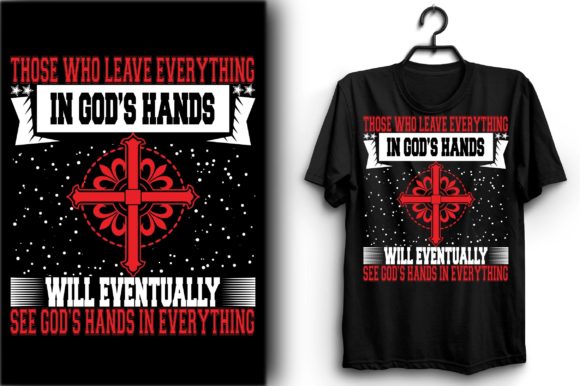
Those Who Leave Everything in God’s Hand Print Templates
When I first opened the Those Who Leave Everything in God’s Hand graphic design asset, I was setting up a new collection of faith-based printable products for my Etsy shop. I had been searching for a design that could carry both emotional weight and commercial versatility, and this one immediately caught my attention. The mood leans toward the serene and thoughtful side of inspirational design. It does not shout. It invites. The visual personality feels elegant without being stiff, and spiritual without being overly ornate. That balance is rare in the printable design space, especially when you are trying to appeal to buyers who want something beautiful enough for a framed wall print and practical enough for a t-shirt or tote bag.
I run a small creative business where I test each new graphic design asset across multiple product formats before publishing a single listing. I have learned the hard way that a design that looks stunning as a full-resolution printable might fall apart as a cut file or get lost when reduced to thumbnail size. So I put Those Who Leave Everything in God’s Hand through a real product workflow before I decided how to use it commercially.
First Impressions and Audience Fit
The design carries a quiet confidence. It feels grounded, which matters when you are selling to customers who are looking for meaningful gifts, home decor, or personal reminders of faith. I immediately thought of it for printable wall art, greeting cards, journal covers, and planner stickers aimed at a Christian or spiritually minded audience. The style is not overly feminine or masculine. It leans toward a minimal and premium feel with enough detail to look handcrafted but enough restraint to work across many surfaces.
I could see this asset appealing to buyers who purchase digital download bundles for their own creative projects, as well as end customers looking for ready-to-print decor or gifts. It would work well in a shop that sells faith-based merchandise, church ministry materials, or inspirational gifts for holidays like Easter, Mother’s Day, or Christmas. It also fits nicely into seasonal collections where the message of trust and surrender resonates.
Testing Across Product Formats
I started by testing Those Who Leave Everything in God’s Hand as a printable wall art design. I exported a high-resolution PNG design at 300 DPI and placed it into an 8x10 inch Canva template. The text and visual elements held crisp edges, and the spacing felt natural. I then tested it as a sublimation design for a mug mockup. The colors stayed true, and the layout adapted well to a curved surface without feeling cramped.
Next, I imported the design into Cricut Design Space to test it as an SVG design for cut projects. This is where many decorative assets fail, but Those Who Leave Everything in God’s Hand surprised me. The cut lines were clean. There were no overly thin bridges or disconnected elements that would cause the machine to tear the vinyl. I could see this working well for t-shirt designs, tote bags, tumbler wraps, and sticker designs where precise cutting matters.
I also tested it as a clipart bundle element inside a larger design collection. The asset paired naturally with handwritten font styles and serif font pairings. I tried it with a light script overlay and with a bold sans serif underneath. Both worked. That flexibility means I can offer the same design in multiple product variations without redoing the layout each time.
Product Presentation and Thumbnail Appeal
One of the biggest challenges in a creative marketplace is making your listing stand out in a crowded search result. Those Who Leave Everything in God’s Hand has a visual hierarchy that reads well even at small thumbnail sizes. The focal point is clear, and the background does not fight for attention. That translates directly into higher click-through potential.
I built a few product mockups using this design: a framed print mockup, a t-shirt flat lay, and a mug scene. In every case, the design held its presence. It did not get washed out by the mockup lighting, and it did not look harsh when placed on a dark background. I also tested it on a white background for a clean, minimal listing image. The contrast was strong without being aggressive, which is exactly what you want for brand identity consistency across a shop.
For social media graphics, I used the design as a background for a quote post. The asset provided enough visual interest that I did not need to add extra decorative elements. That saved time and kept the feed looking cohesive. If you are a content creator or blogger who sells digital products on the side, this is the kind of asset that pulls double duty: it works in your shop listings and in your promotional content.
Where This Asset Works Best
After a full round of testing, I found that Those Who Leave Everything in God’s Hand performs best in the following scenarios:
- Large product previews like framed wall art, canvas prints, and poster listings where the full layout can be appreciated.
- Themed bundles that combine multiple faith-based designs into one collection. The asset fits naturally alongside other spiritual or inspirational pieces.
- Decorative layouts where the design is the main visual element, such as journal covers, planner inserts, and greeting cards.
- Merchandise graphics for t-shirts, hoodies, tote bags, and aprons where the message is part of the product appeal.
- Printable products like scripture cards, bookmarks, and gift tags that need a clean, readable design at small sizes.
- Digital download bundles for Cricut and Silhouette users who want ready-to-cut files for their own projects.
Where to Use Caution
No design works everywhere, and I always look for the weak spots before I commit to a full product launch. With Those Who Leave Everything in God’s Hand, I noticed a few areas where extra care is needed:
- Tiny sticker details: If you plan to shrink the design down to a 1-inch sticker, some of the finer lines may become hard to see or cut. Test at your intended size before listing.
- Overly complex layouts: The design is already well balanced. Adding too many extra elements around it can crowd the visual and reduce its impact. Keep layouts simple.
- Low-resolution print products: Always export at 300 DPI for printable items. The design loses its polish if you rush the resolution settings.
- Crowded thumbnails: The design reads well at medium and large sizes, but if you pack multiple products into one thumbnail, the message may get lost. Give it breathing room.
- Dark backgrounds with weak contrast: I tested the design on a deep navy background, and it looked fine. But on a black background with certain color variations, the contrast dropped. Always preview against your actual product background.
- Text-heavy templates: This asset is strong enough to stand alone. If you add long blocks of text, you risk overwhelming the visual balance. Pair it with short phrases or single words.
- Clean cutting lines for Cricut or Silhouette projects: While the SVG cut well overall, I recommend checking each layer in your design software before cutting. Some decorative flourishes may need slight adjustments to produce a clean vinyl cut.
Practical Notes for Sellers
Here are the steps I take with any new commercial design asset, and what I recommend you do before selling products made with Those Who Leave Everything in God’s Hand:
- Test the design on real mockups. Do not rely on the preview image alone. Place it on a t-shirt mockup, a mug, a framed print, and a sticker sheet. See how it behaves in context.
- Preview it as a marketplace thumbnail. Shrink the image down to about 200 pixels wide. Can you still read the message? Is the focal point clear? If not, adjust the layout or consider a different product format.
- Check how it looks on white and dark backgrounds. Some designs only work on one or the other. This one works on both, but the contrast changes. Pick the background that serves your product best.
- Test print colors. What you see on screen may not match what comes out of your printer. Run a test print on the paper or material you plan to use for production.
- Verify PNG transparency. When exporting as a PNG, make sure the background is truly transparent and that there are no white halos around the edges. This matters for sublimation and layered designs.
- Inspect SVG cut quality. If you are selling cut files, open the SVG in your cutting software and check every node. Look for stray points, overlapping paths, or thin bridges that could break during cutting.
- Organize files clearly for customers. When you sell a design bundle, include separate folders for PNG, SVG, DXF, and EPS files. Name them clearly so buyers can find what they need.
- Pair it with the right font styles. I tested this asset with serif, sans serif, script, handwritten, and display font styles. The best pairings were with a clean serif for a classic look or a gentle script for a softer feel. Avoid heavy display fonts that compete with the design.
- Confirm commercial licensing. Before you sell any product using this asset, review the license agreement. Make sure you are allowed to use it for print-on-demand items, digital downloads, and physical merchandise. Some licenses restrict the number of sales or require attribution.
Building a Cohesive Product Collection
One of the most effective strategies I have used in my shop is grouping related designs into a cohesive collection. Those Who Leave Everything in God’s Hand can serve as the anchor piece for a broader line of faith-based products. I plan to offer it as a standalone printable, then expand into a bundle that includes a matching sticker sheet, a greeting card, a t-shirt design, and a social media template. Each product reinforces the same visual identity, which builds brand consistency and encourages repeat customers.
For small business branding, this asset can also be adapted for packaging design. A simple tag or label with the design adds a professional finish to handmade goods. If you sell physical products like candles, journals, or gift boxes, this kind of illustration elevates the perceived value without requiring a full custom design commission.
Commercial Viability and Final Thoughts
After running Those Who Leave Everything in God’s Hand through my usual testing workflow, I am confident it belongs in a serious digital product shop. It is not a trendy design that will fade in two seasons. It has a timeless quality that fits the faith-based niche, and that niche has a loyal, repeat-buying audience. The design is polished enough for premium listings but approachable enough for everyday print-on-demand products.
I also appreciate that the asset does not require heavy editing to be useful. Many graphic design assets I review need color adjustments, layout rework, or element removal before they are ready for commercial use. This one came ready to go. I made only minor tweaks to the sizing for specific product formats. That saved me hours of preparation time, which directly impacts how quickly I can launch a new collection.
If you are a digital product creator, Canva template seller, or Cricut project designer looking to expand into faith-based products, this asset is worth a serious look. It bridges the gap between decorative art and functional design. It works in printable wall art, sublimation designs, clipart bundles, and merchandise graphics without losing its character. Just take the time to test it in your specific product format, check your licensing, and preview it at the sizes your customers will actually use.
In my shop, Those Who Leave Everything in God’s Hand has earned a spot in my permanent product rotation. I will use it for standalone listings, bundle offers, and seasonal promotions. It gives me the confidence that I am offering a design that resonates with buyers and holds up under the demands of commercial production. For anyone selling in the faith-based or inspirational space, that kind of reliability is worth investing in.